
سری Galaxy Note سامسونگ دارای سابقه ای غنی از اولین تلفن های مناسب با صفحه بزرگ است که محبوبیت گسترده ای کسب کرد. گلکسی نوت اصلی اصطلاح "فبلت" و دستگاه های بزرگتر ردپای متداول را آشنا می کرد. S Pen طاقچه خود را ایجاد کرد. نمایشگرهای بزرگ جهان را به خود اختصاص داد. با این حال ، با افزایش محبوبیت ، افزایش قیمت گذاری افزایش یافت. سامسونگ به طور پیوسته قیمتهای سری گلکسی نوت را در هر نسل افزایش داده است ، تا جایی که قیمت برتر سامسونگ گلکسی نوت 10+ با قیمت 1100 دلار / 79990 پوند قیمت دارد. قیمت پذیرش برای تلفن های قدرتمند سامسونگ هر سال در حال افزایش بوده است. ما می دانیم که کاربران گلکسی نوت به دلیل ترکیب بی نظیری از قابلیت ها ، کاربران وفادار هستند ، اما چقدر وفادار می توانند در مقابل افزایش شدید قیمتها باشند؟ چه مدت مصرف کننده می تواند برای دریافت تجربه برتر قلم S Pen ، همچنان به پرداخت آخرین دلار برای آخرین پرچمدار Note بپردازد؟ سامسونگ کاملاً از این معضل آگاه است و پاسخ آن به این سؤال راهاندازی سامسونگ گلکسی نوت 10 Lite در ماه گذشته بود.
سامسونگ گلکسی نوت 10 Lite مشخصات حق بیمه موجود در Galaxy Note 10 و Galaxy را کاهش می دهد. توجه داشته باشید 10+. سامسونگ با از بین بردن شارژ وایرلس ، مقاومت در برابر آب تأیید شده ، کاهش وضوح نمایشگر به Full HD + از QHD + و انتقال به مصالح ساختمانی ارزان تر ، موفق به پایین رفتن به برچسب قیمت پایین تر شده است. بزرگترین پایین آمدن روی کاغذ ، SoC است ، جایی که Exynos 9825 / Qualcomm Snapdragon 855 از Galaxy Note 10 جای خود را برای Exynos 9810 SoC فراهم می کند ، که از دو گوشی سامسونگ گلکسی اس 9 و سامسونگ گلکسی نوت 9 بهره می برد. با توجه به اینکه Galaxy Note 10 Lite در کنار Galaxy S10 Lite به بازار عرضه شده است ، سریعتر Snapdragon 855 در حالی که دوربین S Pen و دوربین تله فوتو را از دست می دهد ، گیج کننده تر می شود.
سؤال این است: کاهش قیمت ها را انجام دهید. Galaxy Note 10 Lite یک خرید هوشمند در پرچمدار ارزش / بخش میانی بالا است ، یا آیا آنها به اندازه کافی بزرگ هستند تا معامله گران شوند؟ چگونه Note 10 Lite در مقایسه با S10 Lite مقایسه می کند؟ چگونه می توان آن را با پرچمدارهای ارزان قیمت 2019 و 2020 مانند OnePlus 7T ، OnePlus 7 Pro ، Realme X50 Pro ، iQOO 3 ، Redmi K20 Pro ، OPPO Reno 10x Zoom ، ASUS ROG Phone II و دیگران مقایسه کرد؟ آیا منفی های آن تحت تأثیر مثبت آن قرار گرفته اند؟ بیایید این سؤالات را در بررسی کامل ما بررسی کنیم.
| رده | مشخصات Galaxy Lite 10 مشخصات | |
|---|---|---|
| نمایش | 6.7 اینچ Full HD + Super AMOLED Infinity-O Display 2400 × 1080 (394ppi ) |
|
| دوربین | دوربین عقب | دوربین سه گانه – فوق العاده گسترده: 12MP ، F2.2 – زاویه دید گسترده: 12MP ، Dual Pixel AF F1.7 OIS – تله: 12MP ، AF F2.4 OIS |
| Front | 32MP، F2.2 | |
| Body | 76.1 x 163.7 x 8.7 mm، 199g | |
| AP | 10nm 64-bit پردازنده Octa-core (چهار 2.7GHz + Quad 1.7GHz) – Exynos 9810 | |
| Memory | 6 / 8GB RAM با 128 گیگابایت حافظه داخلی | |
| باتری | 4،500mAh (معمولی) | |
| OS | Android 10 | |
خلاصه
| جوانب مثبت | منفی |
|---|---|
|
|
درباره این بررسی: سامسونگ هند به من بخش بازبینی 8 GB RAM / 128GB نوع ذخیره سازی Galaxy Note 10 Lite را برای من فرستاد. همه نظرات در این بررسی خود من است. این بررسی پس از یک ماه استفاده کامل منتشر شده است.
سامسونگ Galaxy Note 10 Lite XDA Forums
Samsung Galaxy Note 10 Lite – طراحی
 طراحی سامسونگ گلکسی نوت 10 Lite از ترکیب طرح های این سامسونگ گلکسی نوت 10+ و سامسونگ گلکسی S20 + به همراه چند متغیر منحصر به فرد پرتاب شده.
بیایید با کیفیت ساخت شروع کنیم. Galaxy Note 10 Lite دارای قاب آلومینیومی و پلاستیک براق است که سامسونگ از آن به عنوان "Glastic" یاد می کند. این یک ترکیب جالب است. قاب آلومینیومی جلا داده شده است که مانند شیشه به نظر برسد ، و پشت پلاستیکی براق نیز از فاصله دور به شیشه شباهت دارد. تنها هنگامی که تلفن را در دست دارید می توانید تفاوت بین پلاستیک و شیشه را متوجه شوید. پلاستیک براق در اینجا احساس گرمی تر از شیشه براق استفاده شده در تلفن های پرچم دار سامسونگ و همچنین رقبا در این بخش قیمت دارد.
شکی نیست که پلاستیک براق مورد استفاده در اینجا احساس حق بیمه کمتری از حتی شیشه های براق دارد ، چه رسد به شیشه مات. . در این بخش قیمت ، بیشتر پرچمداران ارزان قیمت و تلفن های میان رده بالایی از پشتی های شیشه ای استفاده می کنند. پلاستیک پشتی گلکسی نوت 10 به علاوه و منفی است. احساس حق بیمه کمتری دارد اما از دوام بالاتری نیز برخوردار است. پلاستیک ویژگی های شکستگی شیشه را ندارد. در صورت عدم وجود آلومینیوم ، تصمیم سامسونگ برای کاهش هزینه ها از این جنبه ، حس خاصی را به همراه دارد. در اینجا به اولویت های مصرف کنندگان بستگی دارد. خوشبختانه ، با گوشه های گرد و به آرامی گرد ، مناسب و تمام شده گوشی به همان اندازه که انتظار دارید انتظار دارید. پشت پلاستیک در اینجا تنها منفی قابل بحث است. با این حال ، من از پلاستیک مات ترجیح می دهم.
در جلو ، گلکسی نوت 10 Lite از همان طراحی Galaxy Note 10+ و Galaxy S20 + استفاده می کند. این دوربین از هر طرف دارای حداقل حاشیه است و دوربین جلوی سوراخ 32 مگاپیکسلی در مرکز در نزدیکی بالای صفحه قرار گرفته است. خود قابها به اندازه Galaxy S20 + یا Galaxy Note 10+ به اندازه قابل توجهی نازک نیستند ، اما برای این بخش قیمت مناسب هستند. با نسبت صفحه نمایش به بدنه 86.6٪ ، Galaxy Note 10 Lite در ردیف بالایی قرار دارد. هدفون در قسمت بالای قاب قرار داده شده است.
دکمه های صدا و دکمه جانبی در سمت راست گوشی قرار دارند. سمت چپ حاوی سینی سیم است که همانطور که انتظار می رود از نوع ترکیبی (nano-SIM دوگانه یا nano-SIM + microSD) است. دو میکروفون وجود دارد. جک هدفون 3.5 میلیمتری که در سری Samsung Galaxy Note 10 سامسونگ ، سری Galaxy S20 سامسونگ و حتی سامسونگ Galaxy S10 Lite (بررسی) وجود ندارد ، در اینجا حضور دارد. در پایین قرار دارد ، همراه با درگاه USB Type-C USB 2.0 و بلندگوی اصلی. (هدفون به عنوان بلندگو ثانویه دو برابر می شود.) محفظه S Pen در سمت راست پایین قرار دارد. از نظر احساس دکمه ، دکمه های Galaxy Note 10 Lite یک کار تحسین برانگیز دارند زیرا سختی و نیروی تحریک آنها خوب است. طرح دکمه های صدا ایده آل نیستند ، زیرا در قسمت سمت راست کمی بیش از حد قرار می گیرند.
گوشه های خمیده و گرد ، جای خود را به عقب می دهند ، جایی که ما دوربین سه گانه را پیدا می کنیم (12MP + 12MP). + 12MP) راه اندازی. در یک محوطه مربع قرار گرفته است. این تلفن قبل از سری Galaxy S20 منتشر شد و دوربین محصور دوربین از طراحی دوربین S20 پیش بینی می کند. در حالی که Galaxy S20 و Galaxy S20 + دارای محفظه دوربین مستطیل شکل هستند ، Galaxy Note 10 Lite با یک مربع ساده تر حرکت می کند ، با سه دوربین و یک فلش LED به صورت متقارن در داخل آن قرار گرفته است. این طرح با طراحی گلکسی نوت 10 + متفاوت است و به نظر می رسد سامسونگ این استاندارد را پیش می برد. از نظر زیبایی شناسی ، به نظر می رسد که به دلیل تقارن ، Galaxy Note 10 Lite دلپذیر به نظر برسد. یک آرم سامسونگ و متن نظارتی آنچه باقی مانده است را دور می زند.
Galaxy Note 10 Lite در سه رنگ: Aura Black ، Aura Glow و Aura Red ارائه می شود. رنگ مشکی یک براق استاندارد است ، در حالی که رنگ Aura Glow تلاش سامسونگ برای به پایان رساندن شیب شیب است که در سال 2018 و 2019 بسیار محبوب شد. من نوع Aura Red را برای بررسی کردم که از یک سایه قرمز استفاده می کند. همانطور که انتظار می رود ، اگر نمی خواهید تلفن شما از هم متمایز شود ، رنگی نخواهد بود. پایان Aura Red گلکسی نوت 10 Lite بیشتر از چیزی شبیه به رنگ قرمز OnePlus 7 مطیع است ، اما همچنان برجسته است ، که بسته به جایی که شما ایستاده اید می تواند یک چیز خوب و بد باشد. از نظر زیبایی شناسی ، من فکر می کنم عادلانه است که بگوییم رنگ Aura Glow بهترین گزینه است.
از نظر ارگونومی ، Galaxy Note 10 Lite تأثیر خوبی می گذارد. وزن 199 گرم آن متعادل است ، ضخامت آن نسبتاً متوسط است و اگرچه صفحه نمایش 20: 9 6.7 اینچی بلند است ، اما به طرز شگفت آور قابل کنترل است. این گوشی نسبت به OnePlus 7 Pro و OPPO Reno 10x Zoom نسبتاً ضخیم تر است و استفاده از آن برای مدت طولانی بدون خسته شدن دستان بسیار آسان است.
به طور کلی ، سامسونگ با طراحی بسیار مناسب می شود Galaxy Note 10 Lite. پشت پلاستیک از نظر احساس کاهش یافته است ، اما از نظر دوام ارتقاء یافته است. شما مقاومت در برابر آب IP68 را که واقعاً کم تحرک است از دست می دهید. متأسفانه ، این یک ویژگی مشترک در این مرحله قیمت نیست. زیبایی شناسی ترکیبی از دوربین سوراخ پانچ محور ، حاشیه های نسبتاً کوچک ، و دو طرف به آرامی خمیده ، این طرح را هم از نظر ظاهری و هم از نظر ارگونومی به موفقیت می رساند.
جعبه گلکسی نوت 10 مطلب یک شارژر فوق العاده سریع 25W USB-C PD 3.0 با PPS ، کابل USB Type-C تا Type-C ، هدفون های عمومی 3.5 میلی متر و یک کیس پلاستیکی شفاف. این شرکت کابل USB Type-C تا Type-A را در جعبه نمی گذارد. من می دانم که چرا Type-C برای USB-C PD 3.0 ضروری است ، اما نمی تواند سامسونگ را به یک کابل Type-A هم وصل کند ، این امر باعث می شود تا کاربران بتوانند تلفن را با هر رایانه ای با USB Type وصل کنند. یک بندر این تصمیم با توجه به کاهش هزینه برای رسیدن به این قیمت قابل قبول است ، اما در اینجا جایی برای بهبود وجود دارد.
Samsung Galaxy Note 10 Lite – نمایش
Samsung Galaxy Note 10 Lite دارای 6.7 اینچ Full HD + است. (1080 24 2400) صفحه نمایش Super AMOLED با نسبت ابعاد 19.5: 9 ، 394 PPI و سرعت تجدید 60Hz. برای آن دسته از خوانندگان که هنوز هم نمره خود را حفظ می کنند ، ابعاد صفحه نمایش 155 میلی متر در 70 میلی متر است ، به این معنی که عرض صفحه نمایش به اندازه قطر 6.7 اینچی به نظر نمی رسد. با افزایش اندازه های مورب صفحه نمایش ، سازندگان دستگاه به سمت ابعاد همیشه بلندتر و باریک تر مانند 20: 9 یا حتی 21: 9 حرکت می کنند. در اندازه صفحه نمایش 6.7 اینچی ، 20: 9 حس می کند ، حتی اگر شخصاً من 19.5: 9 را ترجیح می دادم.
نامگذاری "Super AMOLED" نمایشگر به جای عنوان "Dynamic AMOLED" نمایشگر سامسونگ برای جدیدترین نسل خود استفاده می کند. صفحه نمایش AMOLED نشانگر این است که یک صفحه قدیمی است. فقدان قسمت "پویا" بدان معنی است که از HDR10 + پشتیبانی نمی کند. البته از استاندارد قدیمی HDR10 پشتیبانی می کند. نکته مهم دیگر این است که صفحه نمایش به جای داشتن لبه های خمیده مانند سری Galaxy Note 10 یا سری Galaxy S20 ، یک صفحه نمایش کاملاً مسطح است. این یک مزیت مهم برای استفاده از S Pen است (برای اطلاعات بیشتر در مورد این بخش در بخش نرم افزار زیر به پایین بروید). یک صفحه نمایش مسطح همچنین تضمین می کند که املاک صفحه نمایش هدر نمی رود ، درخشش کمتری وجود دارد و با محافظ صفحه نمایش بهتر کار می کند. زیبایی شناسی مطمئناً به نظر می رسد اما از لحاظ عملکردی ، صفحه نمایش گلکسی نوت 10 Lite نسبت به انواع گران تر Note 10 برتر است.
وضوح تصویر Full HD + (1080p) نمایشگر در این نقطه قیمت حتی در مورب 6.7 اینچی. حتی سری Galaxy S20 با وضوح کامل HD + از جعبه گوشی خارج می شود. به لطف پیشرفت های موجود در زمینه ضد اضطراب subpixel ، نمایشگرهای Full HD + OLED از نظر وضوح در طی چند سال گذشته بسیار بهتر شده اند.
صفحه نمایش Galaxy Note 10 Lite دارای روشنایی متوسط هنگام تنظیم دستی است و به حداکثر 300- می رسد 350 نیت خوشبختانه ، دارای یک حالت روشنایی فعال بالا (HBM) است که روشنایی صفحه نمایش را تا 700 پوند در 100 100 APL در نور خورشید ، تا زمانی که روشنایی خودکار فعال باشد ، می گیرد. این بدان معنی است که خوانایی اشعه خورشید موضوعی نیست و می توان محتوای آن را حتی در زیر نور مستقیم خورشید نمایش داد.
با تشکر از تضاد نظری بی نهایت AMOLED ، Galaxy Note 10 Lite مشکلی با کنتراست صفحه نمایش ندارد. اما از نظر زاویه دید ، بدیهی است که صفحه نمایش گوشی به اندازه گرانتر گلکسی نوت 10 و نوت 10+ خوب نیست. من می گویم این دو نسل قدیمی است ( n-2 ) از نظر کیفیت تغییر رنگ. این نمایشگر هنوز هم از یک تغییر رنگ زاویه ای قابل مشاهده و یک اثر تداخل رنگین کمان در زاویه های شدید برخوردار است ، که این یکی از ویژگی های معمول نمایشگرهای ارزان قیمت AMOLED سامسونگ است. سامسونگ این مسئله را در تلفن های پرچمدار خود در سال 2018 حل کرد ، اما به نظر می رسد Note 10 Lite از یک صفحه نمایش میان رده استفاده می کند که هنوز هم دارای تغییر رنگ زاویه ای است. از این رو OnePlus 7T دارای نمایشگر برتر و دارای نماینده جدیدتر ، درخشندگی خودکار بالاتر و زاویه دید بهتر و بدون تغییر رنگ زاویه ای است. OnePlus 7 Pro همچنین از نمایشگرهای برتر در اینجا برخوردار است.
سامسونگ با استفاده از حالت صفحه نمایش رنگی طبیعی صفحه نمایش را از جعبه خارج می کند که این یک تصمیم خوب است. این بدان معناست که ما رنگهای دقیقی را خارج از جعبه به دست می آوریم ، اگرچه این تنظیمات در مناطق مختلف پیش فرض های مختلفی دارند (به عنوان مثال ، تلفن های Galaxy S10 با حالت رنگی Vivid به عنوان پیش فرض در هند تنظیم شده اند). حالت طبیعی از مدیریت خودکار رنگ برای gamut DCI-P3 و sRGB پشتیبانی می کند. هنوز اوایل روزهای گذشته است ، اما مدیریت رنگ در پرتاب های جدید تلفن اندرویدی از سال 2019 بسیار گسترده تر شده است. دقت رنگ حالت طبیعی از نظر ظاهری بسیار خوب است. مسئله ای که در اینجا وجود دارد ، نکته سفید گرم است. مقیاس خاکستری ، اشباع و دقت gamut در مقایسه با صفحه نمایش کالیبراسیون OnePlus 7 Pro خوب به نظر می رسد. در مورد بریدن مشکی هنوز هم مسائل جزئی وجود دارد ، اما در بیشتر موارد Note 10 Lite تجربه خوبی را ارائه می دهد. کاربرانی که می خواهند اشباع و اشباع عمدی اشباع کنند ، گزینه استفاده از حالت Vivid را دارند.
میزان تجدید 60Hz صفحه نمایش را می توان با نمایشگرهای تازه تجدیدپذیر (HFR) که به سمت قیمت و حتی پایین تر می روند ، منفی مقایسه کرد. OnePlus 7T با ویژگی 90 هرتز و OnePlus 7 Pro هر دو با همان قیمت قابل خریداری هستند و در واقع به دلیل تجدید قیمت هستند. Realme X50 Pro (اولین برداشت) منجر به شارژ پرچمدار ارزان قیمت در سال 2020 شده است و دارای صفحه نمایش OLED 90 هرتز است. حتی بسیار ارزان تر POCO X2 (بررسی) از LCD IPS 120Hz برخوردار است. همانطور که قبلاً توضیح داده شد ، نمایشگرهای با سرعت بالا باعث تغییر چشمگیر در صافی دستگاه و پاسخگویی کلی می شوند. متأسفانه Galaxy Note 10 Lite چیزی غیر عادی برای ارائه در اینجا ندارد. حتی تلفنهای Galaxy S20 به دلیل نگرانی در مورد بهره وری انرژی نسبت به نرخ تجدید بالای صفحه نمایش 120 هرتز ، از نرخ خنک کننده 60Hz خارج شده است.
دوربین محوری سوراخ پانچ در نمایشگر گلکسی نوت 10 Lite از نظر قابلیت استفاده خوب است. به عنوان مثال ، این دوربین نسبت به دوربین مناسب در سری گلکسی S10 کمتر پریشان کننده است و به اندازه کافی کوچک نیست که به یک حواس پرتی بزرگ تبدیل نشود. دوربین های پانچ پانچ جدید عادی برای راه اندازی تلفن در سال 2020 است و Galaxy Note 10 Lite از این روند منحرف نمی شود.
به طور کلی ، صفحه نمایش Galaxy Note 10 Lite برای قیمت مناسب است ، اما عالی نیست. آیا به اندازه نمایش Galaxy Note 10+ خوب است؟ شماره آیا باید باشد؟ خیر. در مقایسه با رقبای قیمت آن ، صفحه نمایش در واقع از لحاظ جنبه های اساسی مانند تغییر رنگ و عدم وجود نرخ تازه سازی زیاد فاقد برخی از جنبه های اصلی است. از طرف دیگر ، صفحه نمایش مسطح یک نکته اضافه برای USP تلفن است: S Pen. جنبه های دیگر مانند روشنایی و دقت رنگ توسط سامسونگ انجام می شود.
سامسونگ Galaxy Note 10 Lite – عملکرد
عملکرد سیستم
Samsung Galaxy Note 10 Lite از پیری ، دو ساله Exynos پشتیبانی می کند. 9810 SoC ، که از انواع Exynos سری سامسونگ گلکسی S9 و گلکسی نوت 9 بهره می برد. دو راه برای این امر وجود ندارد: این یک کاهش عمده از سایر رقبا منصفانه ، گلکسی نوت 10+ یا حتی تلفن های میان رده بالایی است. Exynos 9810 SoC حتی در سال 2018 در برابر Qualcomm Snapdragon 845 خوب اجرا نشده است. در سال 2020 ، عملکرد آن حتی در لیگ هیچ پرچمدار Qualcomm Snapdragon 855 نیست. Galaxy Note 10 Lite دارای برچسب قیمت پرچمدار میان رده / مقرون به صرفه است ، اما SoC آن چیزی نیست. اولین پرچمدار Qualcomm Snapdragon 865 وارد بازار شده است ، و در حالی که Note 10 Lite با آنها به قیمت رقابت می کند ، از نظر مقایسه عملکرد حتی در برابر مدعیان جدید نمی تواند کاری انجام دهد.
در سال 2018 ، ما این کار را انجام ندادیم. این فرصت را دارد که Exynos 9810 را در Galaxy S9 / Galaxy Note 9 آزمایش کنید. خوانندگان علاقمند به SoC می توانند از پوشش AnandTech استفاده کنند تا ببینند که SoC در برابر رقابت چه نقصان دارد ، با ضعف های مهم در برنامه زمانبندی ، یک مکانیسم منگنه قدیمی منفی ، هسته های بزرگ ضعیف اجرا شده ، مسائل مربوط به زیر سیستم حافظه و عملکرد GPU برای زمان خاموش است. عادلانه است که بگوییم SoC به خوبی پیری نیافته است.
آیا سامسونگ بعد از دو سال پیشرفتی در Exynos 9810 ایجاد کرده است؟ بیایید این هرگز به یک مقایسه برنده برای Galaxy Note 10 Lite تبدیل نمی شد. حتی پسر عموی خود ، Galaxy S10 Lite ، مجهز به اسنپدراگون 855 SoC بسیار بهتر است. این صرفاً نمونه ای از کاهش هزینه ها است ، اما حتی معنی ندارد. چرا به عنوان مثال سامسونگ با نسخه های جدید Exynos 9820 SoC که در نسخه های Exynos Galaxy S10 استفاده می شود ، همراه نبود؟ این یک تصمیم گیج کننده است.
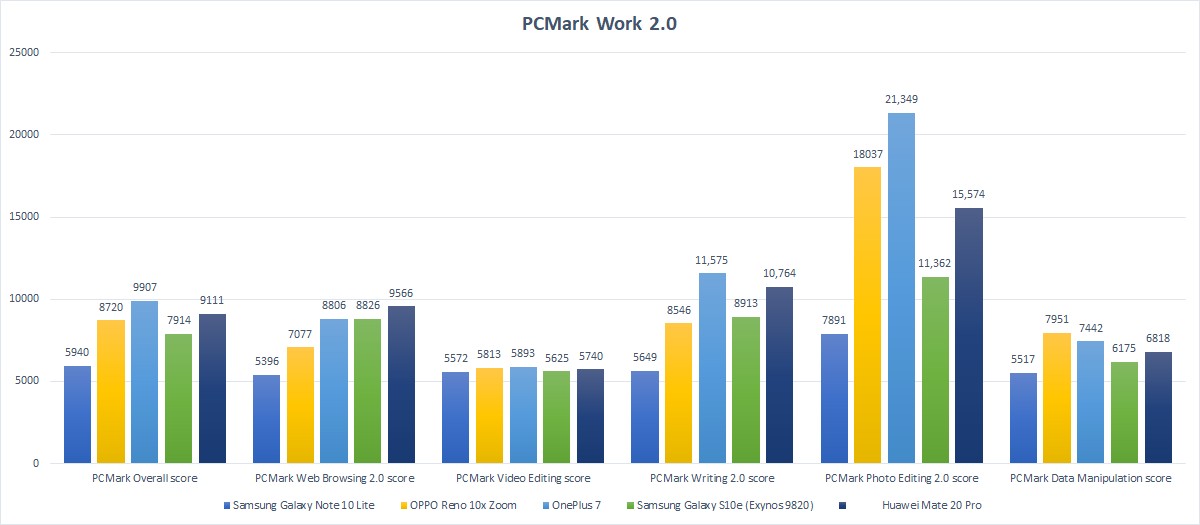
در PCMark Work 2.0 ، Galaxy Note 10 Lite نمرات بسیار ضعیفی را ارسال می کند. امتیاز کلی (میانگین هندسی همه نمرات زیر) بدتر از نسخه Redmi Note 7 Pro اسنپدراگون 675 است ، تلفنی که 10،000 پوند (135 دلار) دارد. این امتیاز نصف بازیگران برتر حاضر در بازار است. نمره Web Browsing 2.0 بدترین کلاس خود است و نمره Writing 2.0 نیز بدست می آید. نمره Photo Editing 2.0 یک چهارم از امتیازات گلکسی S20 سامسونگ با استفاده از Exynos 990 است. امتیاز Manipulation Data با تلفن های Snapdragon 845 برابر است و همین مورد برای تست ویرایش ویدیو نیز اعمال می شود ، که اکنون به یک مستهلک تبدیل شده است.
 در Speedometer 2.0 ، یک معیار وب استاندارد در صنعت ، Exynos 9810 مجدداً عملکرد را کاهش می دهد زیرا Galaxy Note 10 Lite حتی نمی تواند پیر POCO F1 را شکست دهد.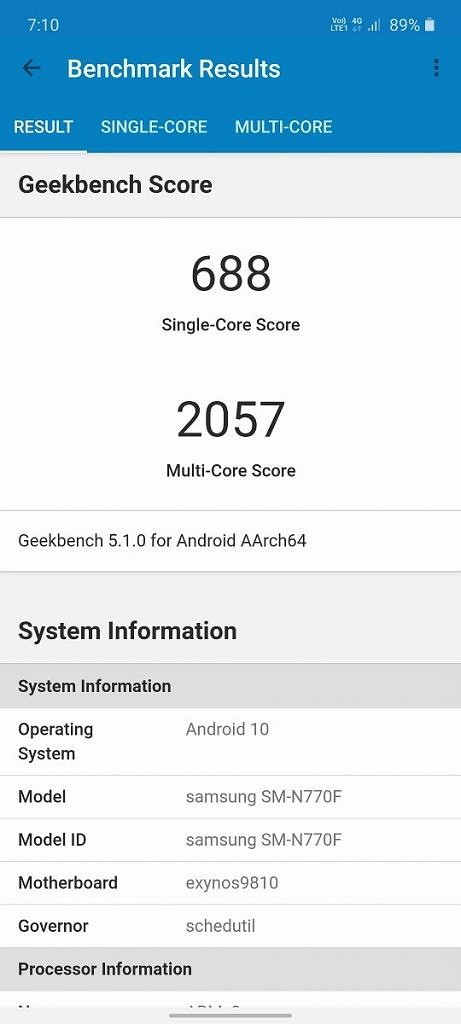
علاوه بر این ، نتایج Geekbench 5 یک داستان فریبنده است. متأسفانه ، سامسونگ بیشتر از امتیازات تک هسته ای Geekbench متمرکز شده است تا عملکرد دنیای واقعی. در دو سال ، از زمان انتشار Galaxy Note 9 هیچ بهبود عملکردی برای Exynos 9810 حاصل نشده است.
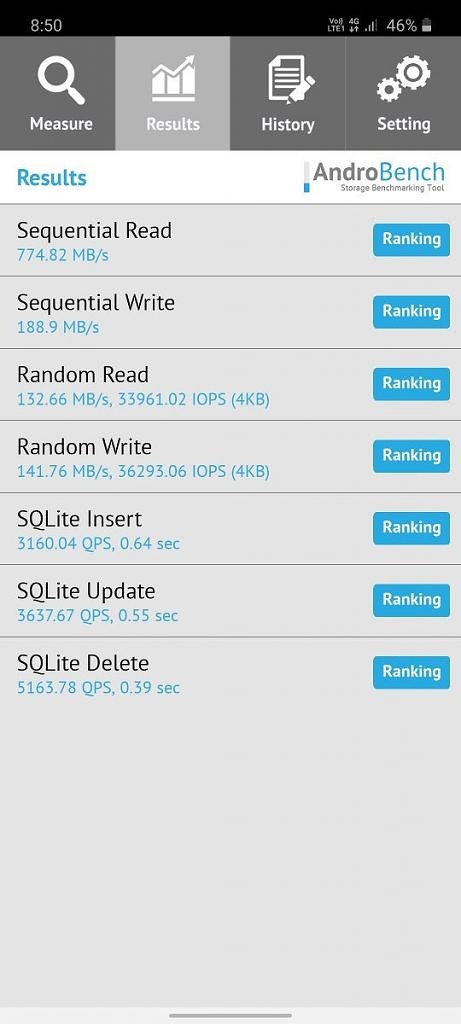
نتایج عملکرد ذخیره سازی بهتر است. همانطور که توسط AndroBench تست شده است ، سرعت نوشتن و پیگیری های متوالی با بیشتر تلفن های UFS 2.1 با قدرت برابر است ، اگرچه Galaxy S10 Lite سامسونگ از نظر جالب توجه به اندازه کافی ، یک ناهنجاری محسوب می شود زیرا در این زمینه از تلفن های UFS 3.0 برخوردار است. . در تست های نوشتن تصادفی و نوشتن تصادفی ، Galaxy Note 10 Lite با قرار گرفتن در رده بالای تلفن های UFS ، نمایش قدرتمندی را ایجاد می کند.
عملکرد GPU
Mali-G72MP18 GPU از Exynos 9810 پایین تر از پردازنده گرافیکی Adreno 630 در Snapdragon 845. این بدان معناست که نسبت به پردازنده های جدید Adreno 640 و Adreno 650 در Snapdragon 855 و Snapdragon 865 نیز به ترتیب پایین تر است. چقدر فرومایه؟ معیارهای 3DMark را در زیر مشاهده کنید:
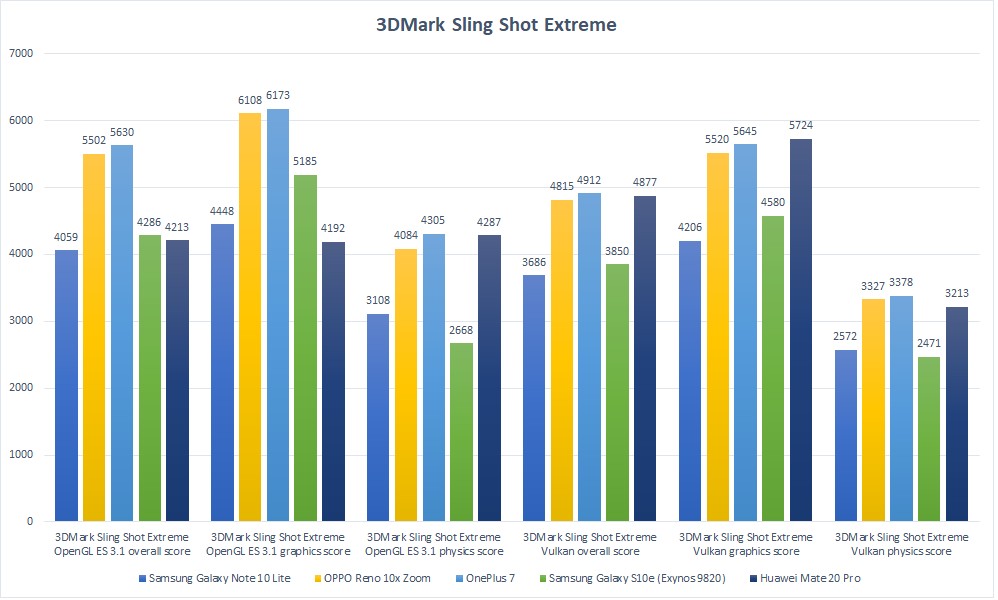
انواع Exynos Galaxy S9 و Galaxy Note 9 به خوبی انواع Snapdragon آنها در عملکرد بازی معیارهای عملکرد ناخوشایند GPU حاکی از آن است که Galaxy Note 10 Lite با بازیهای سه بعدی بالا و جدید در تنظیمات گرافیکی بالا ، زمان آسانی نخواهد داشت.
عملکرد UI ، مدیریت رم و سرعت باز کردن قفل
متأسفانه ، همه چیز در مورد عملکرد دنیای واقعی ، Galaxy Galaxy 10 Lite خیلی بهتر نباشید. چند رابط فریم در رابط کاربری تلفن وجود دارد. برای بیشتر قسمتها ، این گوشی سریع و روان است … تا زمانی که اینطور نباشد. گاهی اوقات هنگام پایین کشیدن منوی اعلان ها ، فریم را رها می کند. در صورتی که بسیاری از برگه ها باز شوند ، تعویض برگه در Google Chrome افت فریم را نشان می دهد. بعضی اوقات انیمیشن های UI لکنت خواهند یافت و بعضی اوقات آنها نخواهند شد. بعضی اوقات انیمیشن کشوی برنامه کاملاً روان خواهد بود ، اما در موارد دیگر ، حتی این می تواند افت فریم را نشان دهد. یک حس کلی تند و سریع در سراسر رابط کاربری و حتی در بین برنامه هایی مانند Play Store و Chrome وجود دارد.
اگرچه بیشتر تلفن های پرچم دار 2019 و 2020 به طور مداوم سریع و روان باقی می مانند ، Galaxy Note 10 Lite متاسفانه نمی تواند. مطابق با چنین استاندارد بالایی برگزار شود. این تلفن ها را از سه چهار سال پیش به من گوشزد می کند ، زمانی که افت فریم هنوز در استفاده روزمره قابل مشاهده بود. هواوی P20 Pro تلفن صافی بود. حتی بسیار ارزان تر POCO F1 یک تلفن صاف تر است. نرمی Redmi Note 7 Pro در واقع کاملاً قابل مقایسه است. پرچمداران Snapdragon 855 و Snapdragon 865 که گلکسی نوت 10 Lite با آنها رقابت می کند از نظر عملکرد در دنیای واقعی در لیگ دیگری قرار دارند. به عنوان مثال OnePlus 7 Pro به لطف ترکیبی از Snapdragon 855 ، حافظه UFS 3.0 ، سرعت تازه سازی 90 هرتز و انیمیشن های سریع OxygenOS به اندازه 1.5 برابر سریعتر و نرم تر احساس می کند.
عملکرد UI Galaxy Note 10 Lite بنابراین بسیار غیرقابل تأمل است. این برای کاربرانی که به طور صحیح به نرمی و پاسخگو بودن دستگاه اهمیت می دهند ، منفی است. کاربران گاه به گاه خوب خواهند بود ، اما کاربران علاقه مند به احتمال زیاد ناامید خواهند شد.
از نظر مدیریت رم ، Galaxy Note 10 Lite در این دوره برابر است. رم 8 گیگابایتی آن تضمین می کند که کاربران با کشته شدن برنامه ها با مشکلات اساسی روبرو نخواهند شد. من از مدیریت حافظه آندروید به طور کلی ناامید می شوم ، اما این یک موضوع دیگر برای یک روز دیگر است.
Galaxy Note 10 Lite به جای استفاده از سنسور اثر انگشت اولتراسونیک Qualcomm ، دارای حسگر اثر انگشت زیر نمایشگر نوری است. گلکسی اس 10 ، گلکسی نوت 10 و گلکسی اس 20. متأسفانه ، سنسور نوری نه سریع و نه دقیق است. باز کردن قفل آن حدود یک ثانیه طول می کشد و میزان دقت آن 60-70٪ خنده دار است. سنسورهای نوری زیر نمایشگر OnePlus 7 Pro و OPPO Reno 10x زوم بسیار سریعتر و بسیار دقیق تر هستند. این جنبه دیگری است که در آن گلکسی نوت 10 Lite با رقبای قیمت خود مطابقت ندارد. باز کردن قفل صورت 2D نیز به عنوان گزینه انتخاب شده است. این سریعتر از حسگر اثر انگشت است ، اما به دلیل عدم امنیت ، نمی توان از آن برای پرداخت پرداخت استفاده کرد.
جالب توجه است که ترمال های گلکسی نوت 10 Lite بهتر از نسخه Exynos Galaxy S10e است. با وجود استفاده از SoC از نسل قدیمی ، گلکسی نوت 10 Lite قادر به کنترل دمای خود است. تقریباً با رقبای خود در این زمینه اختلاف دارد ، که خوب است.
به طور کلی ، عملکرد دنیای واقعی Galaxy Note 10 Lite ناامید کننده است. مصرف کنندگان این گوشی را براساس عملکرد UI آن خریداری نمی کنند ، زیرا از نظر تلفن های رقیب نسبتاً کند و ضعیف تر است. نقاط قوت این گوشی از جنبه های دیگری نیز وجود دارد ، اما من هنوز هم نمی دانم که چرا سامسونگ فکر کرد که داشتن Exynos 9810 در یک تلفن میان رده بالایی در سال 2020 ایده خوبی است.
Samsung Galaxy Note 10 Lite – عملکرد دوربین
دوربین مشخصات
Samsung Galaxy Note 10 Lite دارای دوربین اصلی 12MP با سنسور سونی IMX333 ، اندازه سنسور 1 / 2.55، ، اندازه پیکسل 1.4 میکرون ، دیافراگم f / 1.7 ، فاصله کانونی معادل 27 میلی متر ، Dual Pixel PDAF و نوری تثبیت کننده تصویر (OIS). دوربین 12 مگاپیکسلی با زاویه دید فوق العاده وسیع دارای دیافراگم f / 2.2 و فاصله کانونی 12 میلی متر است. دوربین تله فوتو 12 مگاپیکسلی دارای سنسور 1 / 3.6 ″ ، اندازه پیکسل 1.0 میکرون ، فاصله کانونی 52 میلی متر ، بزرگنمایی نوری 2 برابر و OIS است.
بیایید با سنسور اولیه شروع کنیم. دوربین اصلی 12MP سنسور IMX333 سونی است که در نسخه های Snapdragon از سری Samsung Galaxy S8 و Samsung Galaxy Note 8 در سال 2017 به کار رفته است. این بدان معنی است که این سنسور سه ساله است. سامسونگ در سال 2018 با یک درایو DRAM در Galaxy S9 به یک سنسور انباشته شده ارتقا یافته و ضبط واقعی 960 فریم بر ثانیه را قادر می سازد. Galaxy Note 10 Lite دارای ضبط کند 960 فریم در ثانیه است اما از درون یابی استفاده می کند. همچنین دیافراگم دوتایی از f / 1.5 و f / 2.4 را ندارد ، زیرا می خواهد با یک دیافراگم ثابت f / 1.7 ساده تر حرکت کند. سری Galaxy S20 همچنین ویژگی دیافراگم دوگانه را که از زمان گلکسی S9 یکی از ویژگی های پرچمداران سامسونگ بود ، از بین می برد. پیامدهای حذف این ویژگی به اندازه شگفت آور به نظر نمی رسد.
دوربین 12 مگاپیکسلی با زاویه دید گسترده با دوربین 16 مگاپیکسلی با زاویه دید بسیار گسترده 16 مگاپیکسلی که در Samsung Galaxy S10 و Galaxy Note یافت می شود. 10 سری. از آنجا که از وضوح پایین تری برخوردار است ، اندازه پیکسل تا 1.12 میکرون افزایش یافته است ، که این یک حرکت خوب برای عکس های کم نور است. فوکوس خودکار ندارد. دوربین تله فوتو 12 مگاپیکسلی به جای دوربین ثانویه 64 مگاپیکسلی Galaxy S20 دارای لنز تله فوتو واقعی است که در واقع لنز تله فوتو ندارد. به نظر می رسد دوربین تله گلکسی نوت 10 Lite از دوربین Galaxy S10 و Galaxy Note 10 برداشته شده است. فاصله کانونی 52 میلی متر آن به بزرگنمایی نوری 2 برابر اجازه می دهد ، و گنجاندن OIS خوش آمدید.
روی کاغذ ، Galaxy Note 10 مجموعه دوربین های سنتی Lite با دوربین Galaxy S10 Lite مقایسه خوبی دارد. S10 Lite دارای دوربین اصلی با رزولوشن بالاتر 48MP است ، اما به نفع یک دوربین ماکرو روی دوربین تله فوتو می پرید ، که مسلماً کم کاراتر است. بنابراین ، سه گانه دوربین های 12 مگاپیکسلی گلکسی نوت 10 Lite به سری گران قیمت ترین Galaxy S و Note نزدیک تر است. بله ، مایوس کننده است که دیدن سامسونگ در استفاده مجدد از سنسور دوربین سه ساله. پردازش تصویر این روزها به همان اندازه مهم است ، بنابراین ، بیایید ببینیم که چگونه Galaxy Note 10 Lite در آنجا نگه داشته می شود.
برنامه دوربین و تجربه کاربر
برنامه دوربین Galaxy Note 10 Lite شبیه به هر یک UI 2.0 است. تلفن سامسونگ دارای قدرت است. برای اطلاعات بیشتر ، بررسی Galaxy S10e ما را بررسی کنید. سامسونگ چند گزینه را به اطراف منتقل كرده است و كاركرد دانه ای بودن برای انتخاب حالت پیش فرض دوربین را حذف كرده است. با این حال عملکرد اصلی یکسان است. یک تفاوت اساسی در این است که گلکسی نوت 10 Lite بر خلاف پسر عموی گران قیمتش ، ویژگی ضبط صدا برای ضبط فیلم های HDR10 + را ندارد. این فیلم دارای ضبط ویدئوهای 4K با سرعت 60 فریم در ثانیه است و کاربران می توانند فیلم ها را با فرمت HEVC ضبط کنند. به همین ترتیب ، عکس ها را می توانید در قالب HEIF تهیه کنید. سایر ویژگی های برنامه دوربین سامسونگ ، مانند Live Focus ، Scene Optimizer ، پیشنهادات عکسبرداری ، تصحیح لنزهای بسیار گسترده و ضبط RAW ، در اینجا حفظ شده است.
تجربه کاربر دوربین در Galaxy Note 10 Lite نیز فوق العاده است. برنامه سریع باز می شود. تمرکز و سرعت شاتر به دلیل Dual Pixel PDAF بسیار عالی است ، به این معنی که فوکوس خودکار حتی در نور کم نیز مسئله ای نیست. میزان فریم پیش نمایش دوربین در نور کم کاهش می یابد و پیش نمایش نیز تاریک تر از حد ممکن است. اینها موارد جزئی هستند. احساس خنثی نسبت به صحنه بهینه ساز سامسونگ دارم. این اشباع و قرار گرفتن در معرض را افزایش می دهد ، اما ضبط ذاتی دامنه پویا Galaxy Note 10 Lite برای افزایش این مسئله چندان مهم نیست. در بیشتر مواقع ، از راه خارج می شود و تأثیر منفی بر روی تجربه کاربر دوربین نمی گذارد.
ارزیابی کیفیت تصویر – نور روز
دوربین اصلی 12MP
در نور روز ، دوربین اصلی 12MP Galaxy Note 10 Lite عکسهای نسبتاً خوبی را می گیرد. این مجری برتر نیست ، اما در براکت قیمت آن به ردیف فوق العاده نزدیک است. از نظر قرار گرفتن در معرض ، دامنه پویا ، تراز سفیدی ، دقت رنگ ، بسیار ناامیدکننده اما کاملاً غیرمنتظره نیست ، زیرا می بینید که شکاف های Galaxy Note 10 Lite در زیر دوربین اصلی 12MP گلکسی S10e قرار دارد. این یک مسابقه نزدیک نیست. Galaxy S10e به دلیل حسگر جدیدتر ، به سادگی دامنه پویای بسیار بیشتری را به ثبت می رساند ، بنابراین ، عکس های آن از "Wow-Factor" بسیار بیشتری برخوردار هستند. این بدان معناست که می توان برخی از عکس های نور روز Galaxy Note 10 Lite را "کسل کننده" توصیف کرد. نسبت به رقبای قیمت خود ، Galaxy Note 10 Lite از لحاظ قرار گرفتن در معرض و دامنه پویا نسبت به OnePlus 7 Pro و OPPO Reno 10x Zoom پایین است. این یک دوربین گلکسی نوت سامسونگ است ، بله ، اما به نظر نمی رسد حداقل یک دوربین پرچمدار سامسونگ 2019 باشد ، حداقل در نور روز.
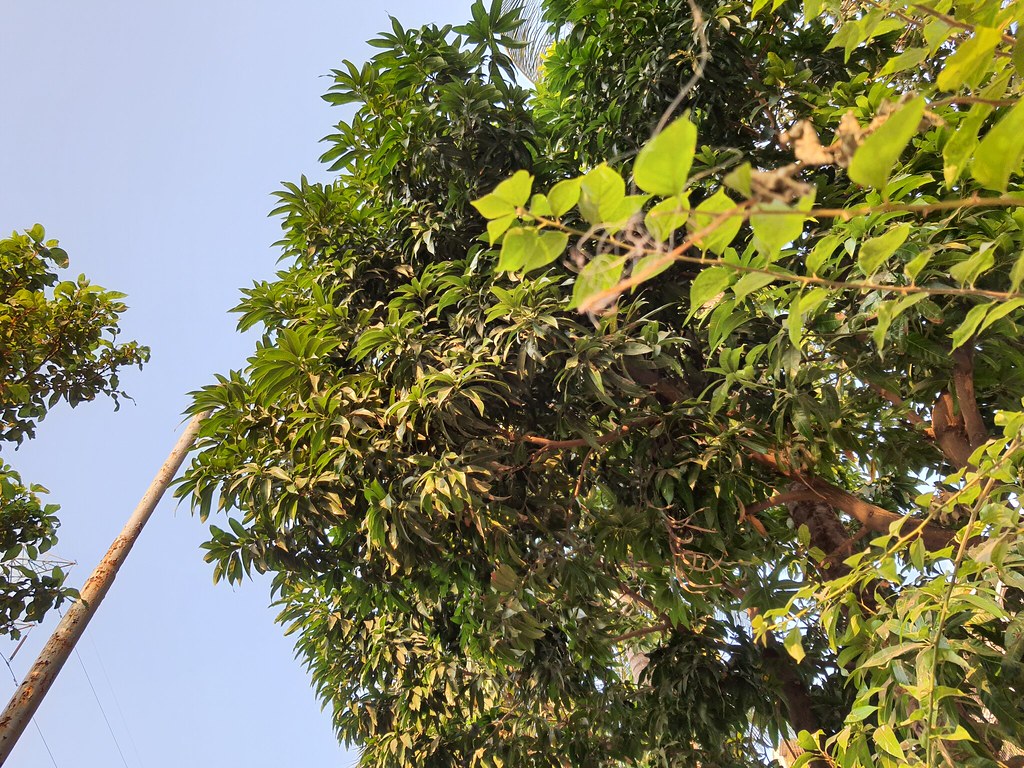
از نظر حفظ جزئیات ، Galaxy Note 10 Lite بار دیگر به طور متوسط طعمه ای است. عکسهای آن فقط کمی بدتر از عکس های Galaxy S10e در اینجا هستند ، اما نکته اینجاست که نگهداری جزئیات Galaxy S10e در وهله اول عالی نبوده است. پردازش تصویر سامسونگ هنوز هم دارای مشکلاتی است زیرا جزئیات دقیق به نفع داشتن عکس های بی صدا درنظر گرفته شده است ، که اساساً تصمیم اشتباهی برای گرفتن دوربین است. این بدان معنی است که اثر رنگ روغن در بعضی از نمونه ها قابل مشاهده است. بزرگنمایی OPPO Reno 10x در اینجا جلوتر است و OnePlus 7 Pro نیز چنین است. علاوه بر این ، سامسونگ همچنان به روان کردن جزئیات صورت ادامه می دهد. این مسئله در دوربینهای هوشمند این شرکت گسترده است و حتی در پرچمداران گلکسی S20 + نیز وجود دارد ، بنابراین من در Galaxy Note 10 Lite در اینجا خیلی سخت نمی گیرم. با این حال ، باید توجه داشت که این گوشی به هیچ وجه از اینجا متمایز نیست.

به طور کلی ، ممکن است دوربین 12 مگاپیکسلی Galaxy Note 10 Lite همانند Galaxy Note 10+ باشد ، اما اینگونه نیست. به دلیل سنسور قدیمی ، این دوربین از نظر قرار گرفتن در معرض ، ضبط دامنه پویا و حتی حفظ جزئیات قادر به نگه داشتن عموزاده های گران قیمت خود نیست. با این حال ، تفاوت ها به صورت تجمعی به معنای تفاوت "شب و روز" نیستند ، که یک نکته مثبت به نفع Galaxy Note 10 Lite است. به نظر می رسد Google Pixel 3a به لطف الگوریتم کاهش معقول صدا در گوگل ، قهرمان کیفیت تصویر در این نقطه قیمت است. سایر رقبای قیمت نیز قادر به رقابت با یا بهتر بودن دوربین گلکسی نوت 10 Lite در اینجا هستند.
دوربین 12 مگاپیکسلی با زاویه دید عریض 12MP
![Samsung Galaxy Note 10 Lite عکسهای با زاویه دید فوق العاده گسترده [19659102]Samsung Galaxy Note 10 Lite ultra-wide angle photos](https://mehdiboronlu.ir/wp-content/uploads/2020/03/1584174374_579_samsung-galaxy-note-10-lite-review-democratize-the-s-pen.jpg)
The 12MP ultra-wide-angle camera, on the other hand, performs well. I wasn’t that happy with the Galaxy S10e’s 16MP ultra-wide angle in terms of detail retention. Impressively, the Galaxy Note 10 Lite behaves better here. The amount of detail being captured still isn’t on par with that of the primary sensor, as expected. The ultra-wide module is a fun camera to play with, and in 2020, it’s an essential tool for mid-range and flagship phone cameras. The 12mm focal length provides very wide coverage, and lens correction can be enabled in settings to correct the inevitable distortion that will result from having such wide coverage. The Galaxy Note 10 Lite’s ultra-wide-angle camera is actually better than the OPPO Reno 10x Zoom, with the OnePlus 7 Pro being a close contender.
12MP telephoto camera

The 12MP telephoto camera is a standard camera as far as telephoto cameras go. I appreciate its use even though it isn’t as useful as an ultra-wide-angle module. 2x optical zoom is better than digital zoom, so I am happy to take the added flexibility. In terms of per-pixel detail, the Galaxy Note 10 Lite’s telephoto camera isn’t as good as the OnePlus 7 Pro’s 3x zoom telephoto camera. The OPPO Reno 10x Zoom’s periscope 5x optical zoom module provides far-range zoom, but it comes with its own constraints. It should be noted that the exposure and dynamic range of the telephoto camera are different from that of the primary camera. Apple has this figured out, and Samsung needs to follow in Apple’s footsteps.
Indoor image quality
The Galaxy Note 10 Lite’s indoor image quality is much more impressive than its daylight image quality. In well-lit indoor shots, it can keep up with or even better the price competition. In low-lit indoor photos, it steps up to the requirements. That’s because it can rely on Samsung’s night mode, which is one of the better night modes in the industry. With night mode enabled, the Galaxy Note 10 Lite’s indoor shots are much more detailed than the OnePlus 7 Pro, OPPO Reno 10x Zoom, and the array of other price competitors. Samsung’s night mode takes 4-5 seconds, but the wait time is worth it as it simply results in a lot more detailed and better exposed photos. With night mode, the Galaxy Note 10 Lite is a competent camera indoors, even though its intrinsic light capture is lower than that of competing cameras because of the old sensor.
The ultra-wide-angle and the telephoto cameras are of limited use here. Thankfully, the night mode can fill in some of the shortcomings of the ultra-wide-angle camera, and it can result in good photos. On the other hand, the telephoto camera fully gives up in low lighting situations in favor of digital zoom, as expected. Night mode can’t be used with the telephoto camera.
Overall, the Galaxy Note 10 Lite takes great indoor photos that are often better than the photos taken by affordable flagships. Samsung’s lead in night mode image processing pays off here.
Image quality assessment – Low light
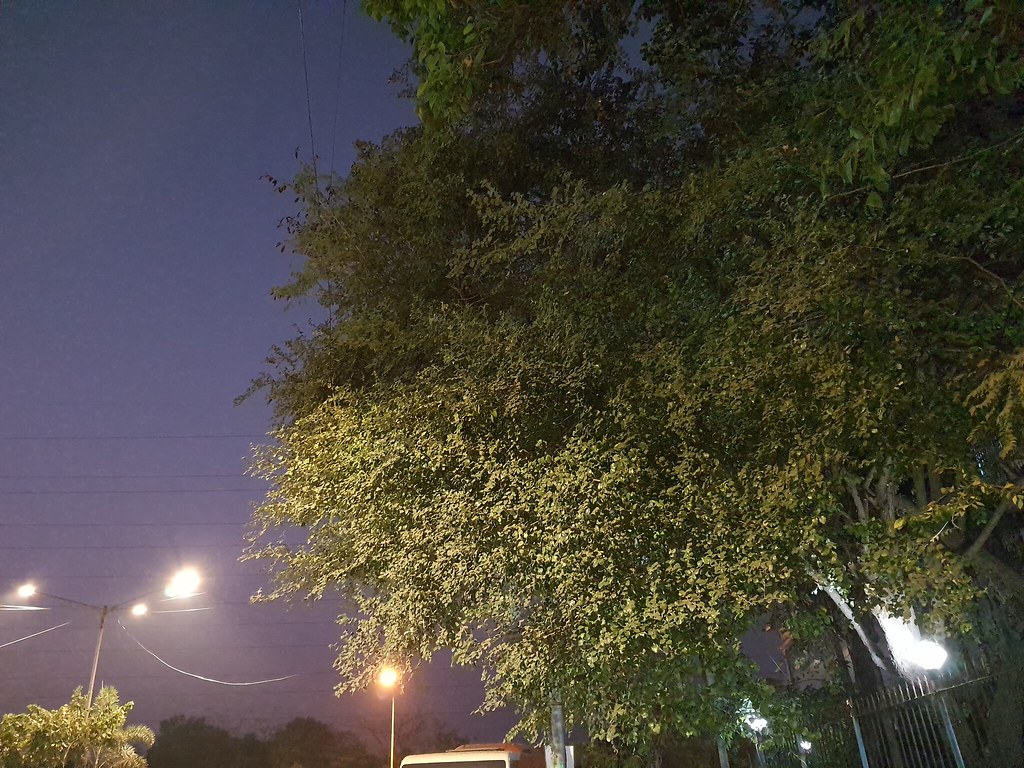
The momentum that the Galaxy Note 10 Lite has in indoor photos carries over to outdoor low light photos. Samsung’s image processing should be faulted in daylight, but in low light, it has matured a lot. Low light photos capture a decent amount of light and dynamic range even without night mode. In terms of detail retention, Samsung is far ahead of OnePlus here, as the OnePlus 7 Pro simply can’t keep up, even after all of its updates. OPPO is closer with the Reno 10x Zoom and it’s an even contest, but it’s still a positive point in the Galaxy Note 10 Lite’s favor.
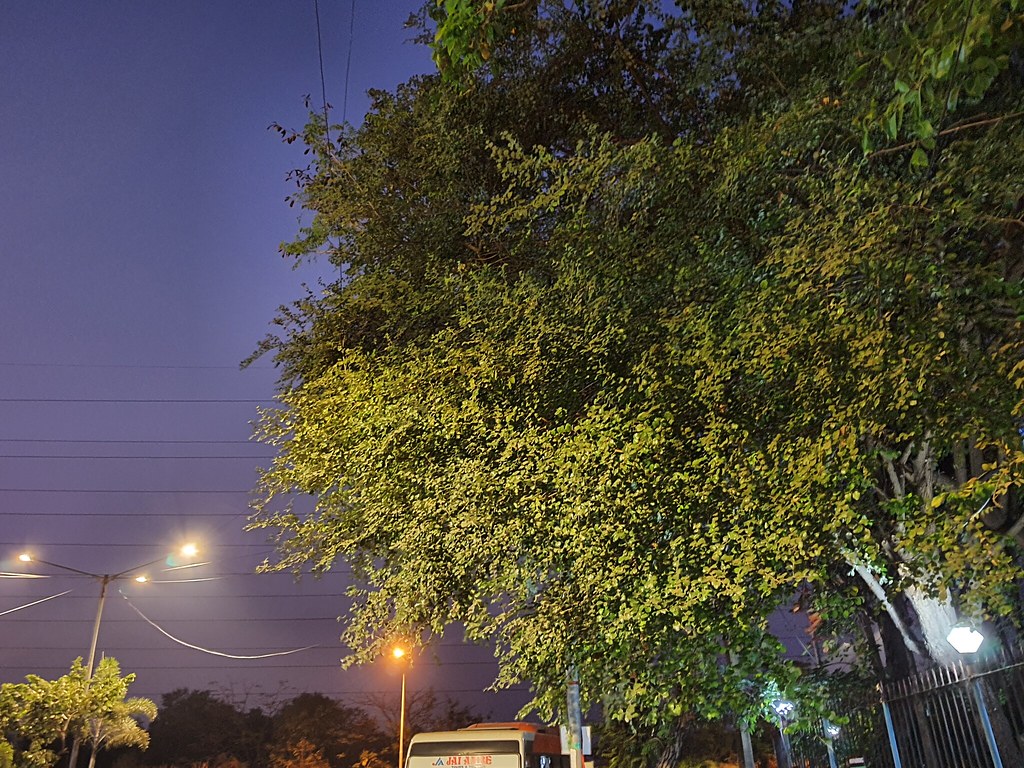
With night mode enabled, the Galaxy Note 10 Lite can legitimately compare with, or slightly fall short of, the Google Pixel 3a’s Night Sight. Samsung’s night mode rescues all the detail that had been previously smudged out, and it brightens the photos as well. It’s not as good as Night Sight, but in the sad absence of Huawei’s phones, it’s the next best option for Android. Night mode enables the Galaxy Note 10 Lite to take genuinely great photos in low light. Detail retention, exposure, color accuracy, white balance, and dynamic range are all handled well. It’s a surprising turn from the start of 2019, when Samsung didn’t have a manual night mode in time for the Galaxy S10’s launch, and accordingly suffered in the reviews. The company’s new night mode can do wonders for mid-range phones like the Galaxy Note 10 Lite.
Overall, the Galaxy Note 10 Lite performs very well in low light photography. Yes, it has its shortcomings, and it’s not going to compete with a Huawei P30 Pro, for instance. It also falls below the flagship Galaxy S20+ by a significant amount, but that’s expected. For the price, the phone has a competent camera to handle photos in the dark.
Video quality evaluation
The Galaxy Note 10 Lite can record video up to 4K at 60fps. As expected, EIS is disabled in 60fps modes. It’s hard to tell whether OIS is enabled in 60fps videos. 30fps videos are noticeably more stable than 60fps videos thanks to EIS. Videos can be taken both with the ultra-wide-angle camera as well as the telephoto camera. Super Steady mode, first seen on the Galaxy S10, returns as well, using the ultra-wide angle camera to stabilize videos more than the standard EIS would normally achieve.
The 4K 60fps videos have EIS disabled, which means they are shaky. They have a 71Mbps bit rate. Autofocus, exposure, detail, and dynamic range are all good on the Galaxy Note 10 Lite. These videos are not going to match the Galaxy S10’s videos, but the differences are small. Don’t use this mode in low light because of underexposure. The same is applicable for 1080p at 60fps videos, as apart from their resolution and bit rate (28Mbps), they have the same characteristics.
The 4K 30fps videos, recorded with a bit rate of 48Mbps, have EIS enabled. Samsung’s EIS is one of the better solutions in the market, and I don’t have any major complaints. The FOV is reduced, as expected. In daylight, this mode functions well, but the improvements in detail over 1080p aren’t distinctive at first glance, as they are more beneficial for viewing on 4K displays and for cropping purposes. 1080p videos are the smallest in terms of file size, which is expected as they have a bit rate of 14Mbps.
The real problem for the Galaxy Note 10 Lite’s video recording is low light. Users would normally expect 30fps modes to function well for low light video recording. However, the Galaxy Note 10 Lite falls flat on its face here, as its low light video recording is atrocious. Low light videos, both 4K and 1080p at 30fps, have far too much noise. They are bright enough, but the noise reduction is so bad that it has to be mentioned. The OnePlus 7 Pro and the OPPO Reno 10x Zoom may have slightly darker videos, but their noise reduction is competent in both 1080p and 4K. Simply put, they are much better for this task. Even cheaper phones will beat the Galaxy Note 10 Lite here.
Other features such as ultra-wide angle and telephoto video recording work well. You can change cameras directly during recording as well. Super Steady mode has great stabilization, but the video quality itself is much worse than the video recorded by the primary sensor. Overall, I am very disappointed by the Galaxy Note 10 Lite here. Its pros are dragged down by poor low light video recording. This may seem to be a niche use case, but it has implications even for indoor video recording. It’s an issue that Samsung needs to fix as soon as possible.
Samsung Galaxy Note 10 Lite – Audio
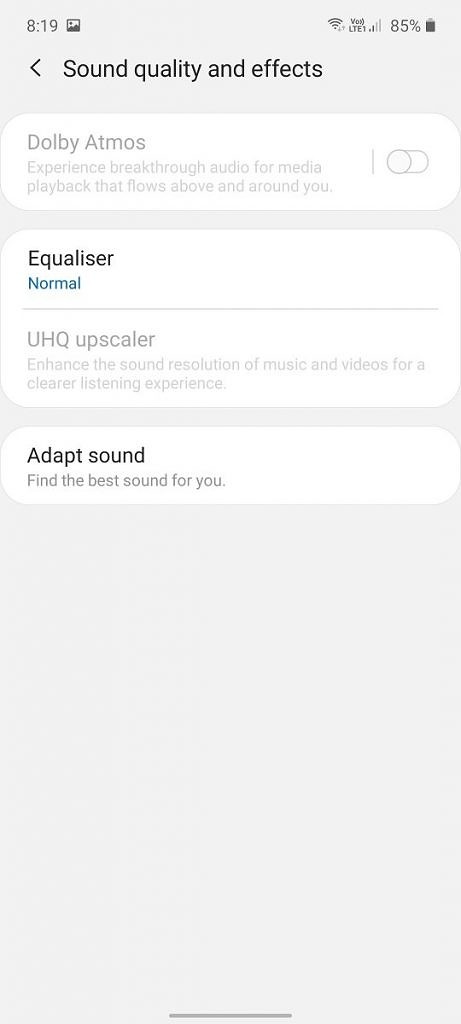
The Samsung Galaxy Note 10 Lite has a 3.5mm headphone jack. Yes, that’s enough to make it an unqualified recommendation in the audio aspect. This is because even affordable flagships are starting to skip the headphone jack. The OPPO Reno 10x Zoom, the OnePlus 7T, the and the Realme X50 Pro all opted to forego the headphone jack in favor of USB Type-C audio and Bluetooth audio. The Galaxy S10 Lite fell prey to the same disease, but the Galaxy Note 10 Lite escaped. It still has a headphone jack, and having it is an added convenience these days. Even if a headphone jack isn’t personally important for you, it’s not taking away anything from the rest of the phone, no matter what companies may tell you.
The Note 10 Lite’s stereo speakers are also on par with its price competitors. They sound loud and clear. Samsung continues to provide an option to adapt sound to the user’s ears. This is applicable to wired audio. The phone supports audio accessory mode for the USB Type-C port.
Samsung Galaxy Note 10 Lite – Software and S Pen
The Samsung Galaxy Note 10 Lite is powered by One UI 2.0 on top of Android 10. We have gone in-depth regarding One UI’s features in our past coverage, as well as in our Galaxy S10 Lite review. So I’m not going to re-hash the behavior of the software here, and will concentrate only on the unique S Pen-specific features. One UI itself remains a capable custom user interface, although as noted before, it doesn’t perform all that well on the Galaxy Note 10 Lite. The blend of design and functionality is handled well; so Samsung needs to focus on the performance now. An overview of One UI’s broad features can be seen in the gallery of screenshots below.
OneUI Features – Overview
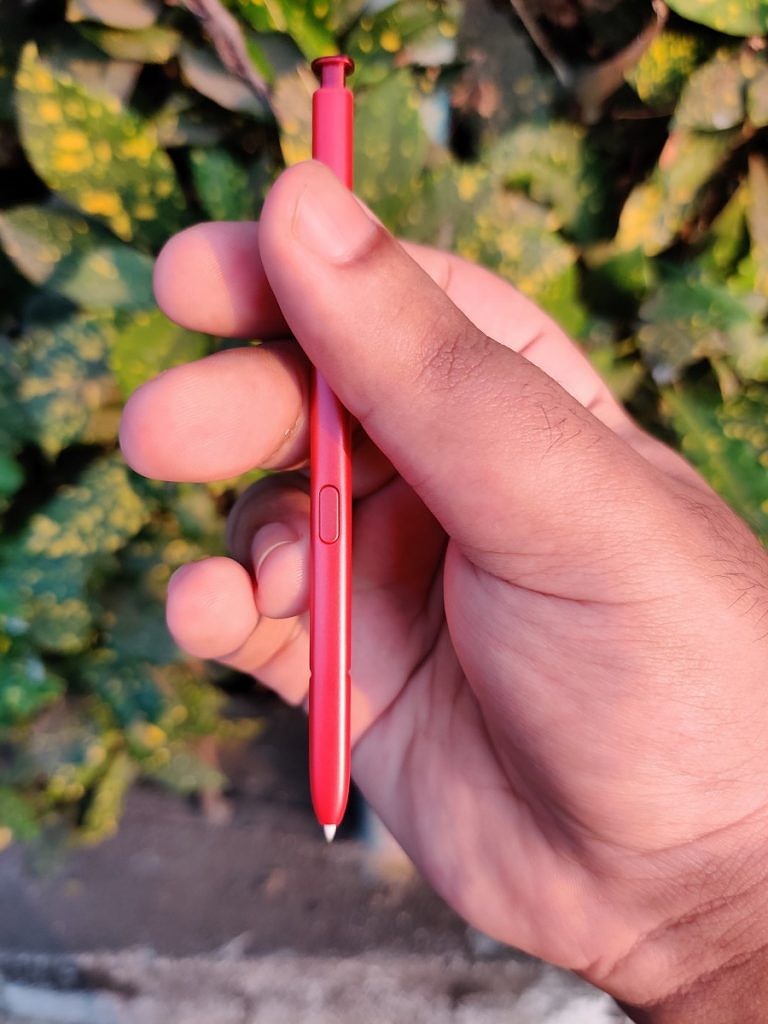
The S Pen is the major highlight of the Note 10 Lite. The whole purpose of the phone is centered around the S Pen experience, as general users are advised to head towards the Galaxy S10 Lite. The S Pen itself isn’t the same as the Galaxy Note 10 series. It doesn’t have a gyroscope, which means some of the air gestures aren’t possible. They have generally been held to be gimmicks, though, so this isn’t an absolute loss either. The S Pen on the Galaxy Note 10 Lite is equal to the one on the Galaxy Note 9. It has Bluetooth LE, which means it can be used as a remote shutter. It has a supercapacitor to enable Bluetooth functionality.
The S Pen’s functionality is broad. The headlining feature is taking notes. This is the first time I have ever used a Galaxy Note extensively, so it is my first experience with the S Pen. As far as a stylus goes, the S Pen is probably one of the best stylus implementations out there. The S Pen is not a capacitive stylus, which means it won’t work on any other phone except the Galaxy Note series. It requires a special Wacom digitizer. It has palm-rejection support, which in itself makes it much better than any cheap aftermarket stylus you could buy.
For first-time users, taking notes with the S Pen in Samsung Notes is a great experience. The Samsung Notes app has a wide set of features, and it’s one of the best first-party apps that I have seen recently. The S Pen itself fits well in the hand. Its precision is high, and the latency is so low that it can be termed negligible. The 4,096 levels of pressure sensitivity means that a variety of needs are covered. Palm rejection works very well, and there are no false positives. The S Pen is not just as good as writing with pen on paper — it feels better than that. Notes can be taken with a software keyboard as well, but handwritten notes are still useful, especially for those users who don’t feel comfortable with a software keyboard. I was also impressed with Samsung Notes’ handwriting-to-text feature. This worked brilliantly well. This feature is useful for academic purposes, but the Galaxy Note 10 Lite’s cost is still too high for stylus-equipped phones to do well in markets like India within this context.
The Galaxy Note 10 Lite doesn’t bring anything new for the S Pen, but the existing blend of functionality is already great. Screen-off memos are still executed well. Other S Pen features such as Smart Select (selecting text on web pages), Screen write (writing on web pages, photos, screenshots, etc), Live messages, Translate, Magnify, Glance, and Bixby Vision are retained. Some of them are more gimmicky than others (GIF creation tools are a gimmick), but the core features are executed well. Air Actions let users take photos remotely with the S Pen’s button thanks to Bluetooth, and other actions in apps are also available.
Overall, the Galaxy Note 10 Lite is the cheapest phone on the market with a well-equipped stylus. Having used a Microsoft Surface Pro 5 back in 2018, I’m confident in saying that the S Pen is better than the Surface Pen in crucial aspects such as palm rejection, latency, and the accuracy of the handwriting-to-text feature. If you care about a stylus at all, the Galaxy Note 10 Lite lowers the price of admission by a cool ₹30,000. Even the aging Galaxy Note 9 still officially costs ₹67,900 in India, so the Galaxy Note 10 Lite represents a big shift in pricing. It’s a big deal in itself, but I am still waiting for the day when Samsung or any other device maker introduces a capable and functional stylus in a lower mid-range phone, which would truly make it accessible for the masses of smartphone buyers.
Samsung Galaxy Note 10 Lite – Battery life & Charging
The Samsung Galaxy Note 10 Lite is powered by a 4,500mAh (typical) / 4,370mAh (minimum) battery. This battery capacity is actually higher than both the standard Galaxy Note 10 as well as the top-end Galaxy Note 10+, which is good to see. On the other hand, the Galaxy Note 10 Lite is powered by a generation-older Exynos 9810 SoC, which isn’t known for power or energy efficiency. So how does the phone perform in terms of battery life?
After having used it for a month, I can say that the Galaxy Note 10 Lite’s battery is great without being outstanding. A 4,500mAh battery capacity should ideally result in seven-eight hours of screen-on time, but the Exynos 9810’s inefficiency means that the phone is only capable of six to six-and-a-half hours of screen-on time. In itself, that figure is good. The phone’s battery should last for a day in most conditions. It’s appreciably better than the battery life of the Galaxy S10e, as screen-on time is at least 20-30% more on this phone. The Galaxy Note 10 Lite’s battery is also marginally better than that of the OnePlus 7 Pro, but the OPPO Reno 10x Zoom will beat them both. On a related note, Samsung has hobbled the battery statistics page in One UI 2.0, making it much more difficult to view the screen-on time since last full charge as it is now calculated on a per-day basis. This should be rolled back as soon as possible in my opinion.
In terms of charging, Samsung hobbled the Galaxy S10 series by shipping them only with 15W Adaptive Fast Charge. With the Galaxy Note 10 series, the company finally moved on to 25W Super Fast Charging, based on the USB-C PD 3.0 protocol with PPS. The Galaxy Note 10 Lite doesn’t support 45W charging unlike the Galaxy Note 10+, but as reviewers have found out, it doesn’t matter anyway. This is because 45W charging on the Galaxy Note 10+ and the Galaxy S20 Ultra is no different from 25W charging for the vast majority of the charging period. Samsung has a sound rationale for keeping to a standardized charging protocol as it reduces charger fragmentation, but there’s no denying that custom charging solutions such as OPPO’s 65W SuperVOOC 2.0 charging (which Realme’s 65W Dart Charging is based on) are much faster than Samsung’s USB-C PD 3.0 charging.
The Galaxy Note 10 Lite is still in a good place, though. With the included 25W charger, it takes about an hour to charge from 15% to 100% for its 4,500mAh battery capacity. That’s good enough for the vast majority of users. On a separate note, the phone lacks wireless charging. This is a weak point if you are an active user of wireless chargers, and the OnePlus 8 will launch soon with wireless charging support too. Did Samsung make too many cost cuts here? Again, that depends on consumers’ needs.
Odds and Ends
The Galaxy Note 10 Lite didn’t show any oddities when it comes to call quality or cellular signal reception. It supports dual VoLTE, as expected. VoWiFi support should be there, too, but I didn’t use the phone with a Jio SIM to test that out.
The phone’s vibration motor is nothing to write home about, sadly. This price bracket now has phones like the OnePlus 7 Pro, the OnePlus 7T, and the OPPO Reno 10x Zoom, which have excellent vibration motors for great haptic feedback. The Galaxy Note 10 Lite’s vibration motor is depressingly average, and it can’t hope to compete with the aforementioned phones. This is not a deal-breaker for me, but it is an aspect that makes a big difference in real-world usage of the phone.
Conclusion
Consumers looking for an affordable flagship have many choices these days, at least in the Chinese and Indian smartphone markets. There is the OnePlus 7 Pro and the OnePlus 7T, as well as the Redmi K20 Pro. The Realme X50 Pro and the iQOO 3 form part of the first wave of Snapdragon 865-powered phones. Samsung was noticeably absent in this market in 2019, as the company’s A-series phones could only be classified as upper mid-range, not as affordable flagships. With the Galaxy S10 Lite, the company has finally covered that weakness. The Galaxy Note 10 Lite, on the other hand, is more of a niche phone that makes sense for a particular subset of the market.
In terms of design, the Galaxy Note 10 Lite leaves good impressions as its thickness and weight are within acceptable limits. The glossy nature of the plastic back is a negative, and glass as a premium material would have made more sense in an affordable flagship. On the other hand, the centered nature of the hole punch front camera is a positive point. The symmetrical nature of the rear camera enclosure also ensures no visual oddity.
The Galaxy Note 10 Lite’s display doesn’t live up to the high standards of the Galaxy Note legacy. It’s a mid-range panel in most respects. High Brightness Mode is welcome to see, and Samsung doesn’t make any major mistakes with color accuracy. However, the high angular color shift and the lack of a high refresh rate panel at this price point is disappointing to see.
Performance-wise, there aren’t many positive points about the Galaxy Note 10 Lite. It consistently shows itself to be multiple steps behind the affordable flagships of 2019, let alone those of 2020. The Exynos 9810 SoC should not have made it to this phone, and it’s the major flaw that holds back the user experience from being as good as it could be. The Snapdragon 855, as seen on the Galaxy S10 Lite, would have been a sensible decision. Even the Exynos 9820 would have made some sort of sense. As it currently is, the Galaxy Note 10 Lite has disappointing CPU, system, GPU, and real-world performance. The only saving grace is that the jank encountered throughout the user interface is relatively minor, but it’s there if you look for it.
The triple rear camera setup of the Galaxy Note 10 Lite’s positives are greater than its negatives. The positives are that it posts exceptional results in terms of indoor image quality and low light photography. In daylight, however, it doesn’t have any advantages over the competition as it’s held back by an older sensor, leading to weaker dynamic range capture and less detail retention. In holistic terms, it’s still a great camera because of Samsung’s mature image processing in low light, complemented by a well-implemented Night Mode. The relatively average daylight results are compensated by the excellent photos in low light, which means it’s a more versatile setup. The ultra-wide-angle and telephoto cameras are also quite good for the price point.
The phone also holds itself well in terms of daylight video recording in both 1080p and 4K, but it stumbles badly in low light video recording because of very poor noise reduction. The poor low light video recording means that the phone falls behind its price competitors in this respect. This can be fixed with a software update, and it should hopefully be done.
The Galaxy Note 10 Lite’s ups-and-downs continue with the audio aspect. It has a 3.5mm headphone jack, positively distinguishing itself in the 2020 upper mid-range market. The speakers are above average as well, so this is one area where the phone doesn’t have any major weak points.
In terms of software, One UI 2.0 continues to distinguish itself as one of the better user interfaces on the market, with a very broad feature set, a one-hand friendly user interface, and good typography. It’s different from stock Android 10, but most of the changes are for the better.
The S Pen is where we arrive for the Galaxy Note 10 Lite’s selling point. Yes, it delivers. For those who have never tried it before, the S Pen will be a positive experience. For users who must have a stylus, the Galaxy Note 10 Lite delivers as it has one of the best stylus implementation on smartphones in the form of the S Pen. Samsung’s dominance here is so complete that even eight years after the launch of the original Galaxy Note, no Android device maker has seriously thought of challenging the company head-to-head in the stylus space. Huawei has the M Pen for its tablets, and Motorola has launched a Moto G Stylus for mid-range buyers, but these have not managed to give any cause of concern to Samsung. The S Pen’s integration, the maturity of features, and quality of feature execution make it unique in the market.
The Exynos 9810 SoC prevents the phone from using its 4,500mAh battery to its full potential, but at the end of the day, battery life is still quite good. Most users should have no issues with getting the phone to last a day on a full charge. 25W Super Fast Charging is also a useful feature.
In India, the Galaxy Note 10 Lite is sold in two variants: 6GB RAM/128GB storage for ₹38,999 ($530), and 8GB RAM/128GB storage for ₹41,999 ($570). The phone is not sold in the U.S., but it has made its way to Europe and other international markets. The SoC variant is the same for all regions. How good is the phone’s value proposition? There are two ways of looking at it.
For S Pen users, a Galaxy Note is a must. In this way, the only alternatives to the Galaxy Note 10 Lite are the standard Galaxy Note 10 and the Galaxy Note 10+. The Galaxy Note 10 has a smaller 6.3-inch display and costs ₹69,999 ($950) for the 8GB RAM/256GB storage variant. The Galaxy Note 10+, on the other hand, has a bigger 6.8-inch 19:9 display (more screen area), and it costs a whopping ₹79,999 ($1085) for the 12GB RAM/256GB storage variant, making it twice as expensive as the Galaxy Note 10 Lite.
The standard Galaxy Note 10 will provide a side-grade of the core S Pen experience because of the smaller, curved display, even though its S Pen is a generation newer. Loyal Galaxy Note users also will be more interested in the Galaxy Note 10+, and not the smaller, more compact Galaxy Note 10. For users interested in a big-screen Galaxy Note, the Galaxy Note 10+ and the Galaxy Note 10 Lite are the options. If you pay two times the amount for the Galaxy Note 10+, you will get a better design with better build quality (smaller bezels, glass back), bigger, higher resolution and better quality display, a faster SoC with better real-world performance (Exynos 9825), marginally better rear cameras, much better front camera, wireless charging, reverse wireless charging, IP68 certified water resistance and a newer S Pen with more gimmicky features. You lose out on a flat display and a 3.5mm headphone jack, though.
It should be apparent, therefore, that the Galaxy Note 10+ is not worth 2x (₹40,000 more) the price of the Galaxy Note 10 Lite. Neither is the standard Galaxy Note 10 worth the ₹30,000 premium over the Galaxy Note 10 Lite. Users who are interested only in the S Pen and can live with the feature downgrades and cost-cutting are recommended to get the Galaxy Note 10 Lite. It’s the only option for a stylus-equipped phone in this price bracket.
What if you aren’t interested in the S Pen, though, or view it as a niche feature that will be used rarely? Samsung would then happily point you towards the Galaxy S10 Lite, which is a more competent general-purpose affordable flagship as its system and GPU performances are substantially better. The Galaxy Note 10 Lite has a more versatile rear camera setup than the Galaxy S10 Lite. It also has better image quality in low light than most of the price competition from other device makers, but its price competitors have much better performance, better displays, faster charging, and better designs. The end decision depends on which of these aspects consumers prioritize the most.
Affordable flagship buyers can then head towards the OnePlus 7T or any of the other affordable flagship phones from the likes of Realme and iQOO, while Samsung users can head towards the Galaxy S10 Lite. Aspiring users of the S Pen will want to double down on the Galaxy Note 10 Lite even though Samsung has weakened its general value proposition for non-S Pen users. I wish it was more of a competent general-purpose affordable flagship. As it is, it can be unconditionally recommended only for the stylus user base of the smartphone market.
Samsung Galaxy Note 10 Lite XDA Forums
Want more posts like this delivered to your inbox? ایمیل خود را وارد کنید تا در خبرنامه ما مشترک شوید.